( 请多多点击广告支持吧 )
Section II Reading Comprehension
Part A
Directions: Read the following four texts. Answer the questions below each text by choosing A, B, C or D. Mark your answers on the ANSWER SHEET.
Text 1
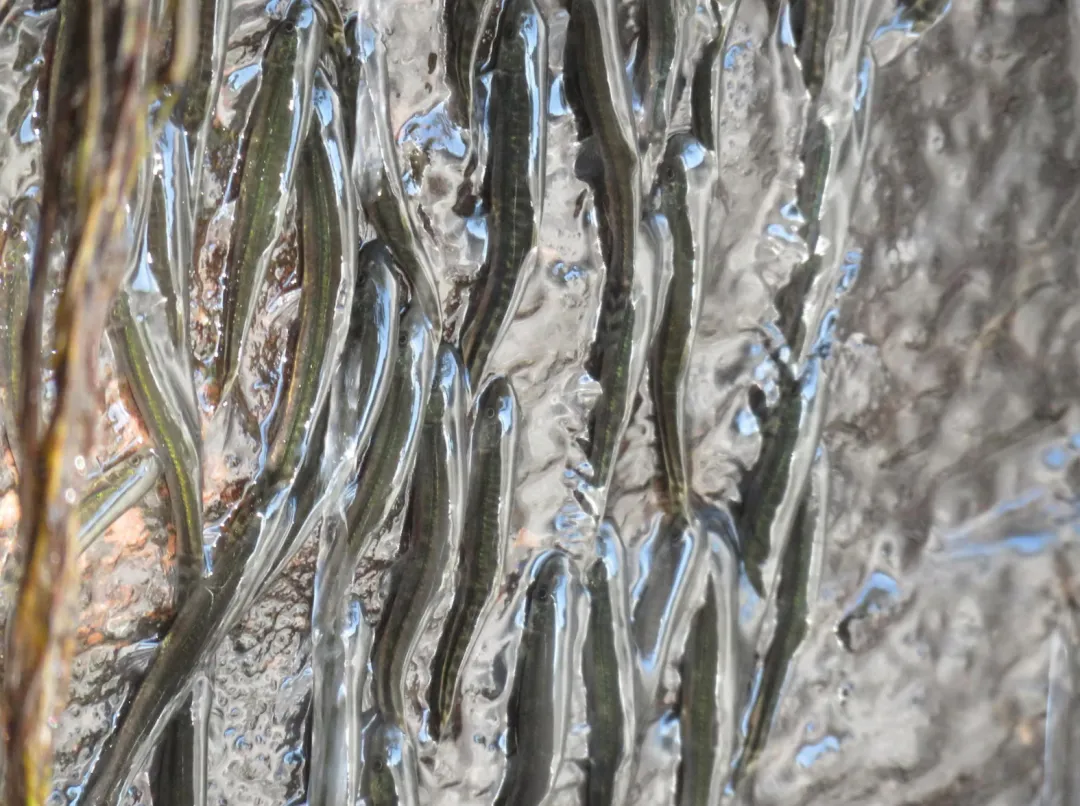
A species of small fish has been observed by the thousands climbing a vertical waterfall 15 metres (50 feet) tall in the Democratic Republic of Congo, a behaviour that illustrates the surprising and ingenious ways animals can adapt to extreme environments.
The researchers documented how this species of shellear fish, whose scientific name is Parakneria thysi, scales the Luvilombo Falls in the upper Congo Basin, a vast river system spanning Central Africa and home to the world's second-largest rainforest. Researchers observed the fish ascending the vertical rock face during seasonal floods at the end of the rainy season, typically in April and May.
While this species can reach about 9.8 centimetres long, the researchers observed only small to medium-sized individuals—about 3.7 to 4.8 cm long—journeying up the falls. Observations suggest a fish may take nearly 10 hours to complete the slow and demanding climb to the top, moving in short bursts and resting frequently. Larger individuals of the species appeared to be too heavy for their fins to support the climb.
So how do they do it? The fish cling to wet rock surfaces using their pectoral fins, supported by pelvic fins and aided by tiny hook-like projections known as unculi, which help them grip surfaces, the researchers said. Then they push themselves upward by wiggling their bodies from side to side. The researchers recorded them moving up the rock face through what is called the splash zone—areas kept wet by spray rather than direct water flow. Scaled to human size, it would be comparable to a person climbing hundreds of metres vertically.
The ascent is also risky. Some fish lose their grip when sudden jets of water hit them, knocking them off the rock face—particularly when they flip upside down to navigate overhanging sections. Given the volume of water at the base of the falls, fish that fall are most likely able to start climbing again. However, those landing directly onto rocks may not survive.
So why do they do it? The researchers said the fish may climb upstream to find suitable living conditions and areas of the waterway with less competition and fewer predators.
"This discovery highlights the importance of maintaining the continuity of watercourses, particularly in the context of the Congo Basin, where studies on fish behaviour are virtually nonexistent," said Pacifique Kiwele, a researcher in ichthyology who was the lead author of the study. He noted that the discovery underscores two major human threats to the species: illegal fishing using fine-mesh mosquito nets that can easily catch the fish, and water extraction for irrigation, which has in some years depleted the Luvilombo River.
21. What do we learn about the climbing behavior of Parakneria thysi from Paragraph 3?
[A] It is exclusively performed by adult fish.
[B] It requires continuous, uninterrupted movement.
[C] It takes exactly ten hours for all individuals.
[D] It is hindered by the excessive body weight of the fish.
22. How do the fish manage to scale the vertical rock face?
[A] By utilizing specialized anatomical features to grip wet surfaces.
[B] By swimming against the direct water flow of the falls.
[C] By jumping directly from the base to the overhanging sections.
[D] By navigating through dry areas to avoid sudden water jets.
23. The primary motivation for the fish's perilous ascent is to ________.
[A] escape the seasonal floods in the Congo Basin
[B] seek out more favorable and secure habitats
[C] search for specific food sources in the splash zone
[D] avoid the heavy pollution at the base of the falls
24. Pacifique Kiwele implies that the survival of these climbing fish is threatened by ________.
[A] the introduction of invasive predator species
[B] the lack of scientific research in the region
[C] natural disasters like unprecedented droughts
[D] disruptive human agricultural and fishing practices
25. Which of the following is the best title for the text?
[A] The Hidden Dangers of the Luvilombo Falls
[B] The Evolutionary History of Fish in the Congo Basin
[C] A Remarkable Upward Journey of Tiny African Fish
[D] How Human Activities Threaten Aquatic Life in Africa
附注:根据历年考研英语真题阅读题源外刊等,摘选最新文章,模拟仿真出题。
参考答案见以下。
Quick look: DABDC
21.【正确答案】D
【解析】题型:事实细节题
定位: 第三段最后一句“Larger individuals of the species appeared to be too heavy for their fins to support the climb.”(该物种中较大的个体似乎太重了,它们的鳍无法支撑攀爬。)
分析: 原文明确指出,体型较大的鱼因为太重而无法完成攀爬,这说明攀爬行为会受到鱼自身体重的限制和阻碍。选项D“它受到鱼过大体重的阻碍(hindered by the excessive body weight)”是对原文的精准同义替换。
干扰项:[A] 它仅由成年鱼完成,原文说只有“中小型个体(small to medium-sized individuals)”在爬;[B] 它需要连续不间断的移动,原文说它们“分短时间冲刺并频繁休息(moving in short bursts and resting frequently)”;[C] 所有个体都精确需要十个小时,原文说的是“将近10个小时(nearly 10 hours)”,而非精确的十小时。
22.【正确答案】A
【解析】题型:事实细节题
定位: 第四段第二句“The fish cling to wet rock surfaces using their pectoral fins, supported by pelvic fins and aided by tiny hook-like projections known as unculi...”
分析: 原文详细描述了这种鱼是如何攀爬的:它们利用胸鳍和腹鳍,并在被称为“unculi”的微小钩状突起的帮助下,紧紧抓住湿润的岩石表面。选项A“通过利用专门的解剖特征来抓住湿润的表面”是对这些鱼类身体特殊构造(鳍和钩状突起)的高度概括。
干扰项:[B] 逆着瀑布的直接水流游动,原文明确表示它们是在“飞溅区(splash zone)”移动,那里是被水花打湿的,而“不是直接的水流(rather than direct water flow)”;[C] 直接从底部跳到悬垂部分,原文说它们是缓慢攀爬并扭动身体向上推(push themselves upward by wiggling),而非直接跳跃;[D] 在干燥区域中穿梭以躲避突然的水柱,原文说它们紧抓的是“湿润的岩石表面(wet rock surfaces)”。
23.【正确答案】B
【解析】题型:事实细节题
定位: 第六段“...the fish may climb upstream to find suitable living conditions and areas of the waterway with less competition and fewer predators.”
分析: 原文解释了它们攀爬的原因:去上游寻找“合适的生存条件(suitable living conditions)”,以及“竞争更少、捕食者更少(less competition and fewer predators)”的水域。选项B“寻找更有利、更安全的栖息地”完美对应了原文的这两个目的。
干扰项:[A] 逃避刚果盆地的季节性洪水,原文提及洪水只是它们攀爬的时间背景,而非逃避洪水;[C] 在飞溅区寻找特定的食物来源,文中未提及为了寻找食物;[D] 避开瀑布底部的严重污染,属于无中生有。
24.【正确答案】D
【解析】题型:事实推断题
定位: 第七段最后一句“He noted that the discovery underscores two major human threats to the species: illegal fishing using fine-mesh mosquito nets... and water extraction for irrigation...”
分析: 首席作者Pacifique Kiwele指出,这一发现凸显了该物种面临的两大人类威胁:使用细网眼蚊帐的非法捕鱼(illegal fishing),以及用于灌溉的水资源抽取(water extraction for irrigation)。选项D“破坏性的人类农业和捕鱼活动”是对这两大威胁(灌溉属于农业,非法捕鱼属于捕鱼活动)的准确归纳。
干扰项:[A] 引入入侵的捕食者物种,文中未提及;[B] 该地区缺乏科学研究,缺乏研究是事实,但这并不是直接威胁鱼类生存的因素;[C] 像史无前例的干旱这样的自然灾害,文中提到河流枯竭是因为“用于灌溉的水资源抽取(water extraction)”,是人为导致的,而非自然旱灾。
25.【正确答案】C
【解析】题型:主旨大意题
定位: 全文逻辑结构。
分析: 文章开篇引入了一种令人惊奇的自然现象:刚果民主共和国的一种小鱼能够攀爬15米高的垂直瀑布。接下来的段落详细描述了它们攀爬的体型要求、具体方式(利用特殊的鳍和钩状结构)、攀爬的风险,以及这种行为背后的动机(寻找更好的栖息地)。最后一段引出了相关的保护意义。全文始终围绕这种小鱼不可思议的攀爬之旅展开。选项C“非洲小鱼一次非凡的向上之旅”最生动、贴切地概括了全文的主题。
干扰项:[A] 卢维隆博瀑布的隐藏危险,瀑布的危险只是第五段提及的一个小细节;[B] 刚果盆地鱼类的进化史,文章并未探讨其长期的进化历史;[D] 人类活动如何威胁非洲的水生生物,这只是最后一段提及的附加保护信息,不足以概括全文核心。
【词汇注释】
scale: verb (CLIMB) to climb up a steep surface 攀登;翻越(文中指小鱼攀登瀑布)
burst: noun (ACTION) a short period of a particular activity or strong emotion 爆发;短时间的冲刺(moving in short bursts 指分短时间冲刺移动)
pectoral fin: noun (BIOLOGY) either of the two fins on the side of a fish's body 胸鳍
pelvic fin: noun (BIOLOGY) either of the two fins on the lower side of a fish's body 腹鳍
ascent: noun (CLIMB) the act of climbing or moving upwards 攀登;上升
deplete: verb (REDUCE) to reduce something in size or amount, especially supplies of energy, money, etc. 耗尽;使枯竭(文中指引水灌溉导致河流枯竭)
ichthyology: noun (SCIENCE) the scientific study of fish 鱼类学【参考译文】
人们观察到成千上万条某种小鱼在刚果民主共和国攀爬15米(50英尺)高的垂直瀑布,这一行为展示了动物适应极端环境的令人惊讶和巧妙的方式。
研究人员记录了这种学名为 Parakneria thysi 的壳耳鱼是如何攀登刚果盆地上游的卢维隆博瀑布的。刚果盆地是一个横跨中非的庞大水系,也是世界第二大雨林的所在地。研究人员观察到,这些鱼通常在4月和5月雨季末期的季节性洪水期间攀爬垂直的岩壁。
虽然这种鱼的体长可以达到约9.8厘米,但研究人员观察到,只有体长约3.7至4.8厘米的中小型个体才会向上攀爬。观察表明,一条鱼可能需要将近10个小时才能完成缓慢而吃力的登顶过程,它们分短时间冲刺,并频繁休息。该物种中较大的个体似乎太重了,它们的鳍无法支撑攀爬。
那么它们是如何做到的呢?研究人员说,这些鱼利用胸鳍紧贴在湿润的岩石表面,由腹鳍提供支撑,并在被称为“unculi”的微小钩状突起的帮助下抓住岩石表面。然后,它们通过左右扭动身体将自己向上推。研究人员记录到它们在被称为“飞溅区”的岩壁上移动——这些区域是由水花喷洒保持湿润的,而不是直接的水流。如果按人类的体型比例换算,这相当于一个人垂直攀爬几百米。
这种攀登也是有风险的。一些鱼在被突然的水柱击中时会失去抓地力,从而被从岩壁上冲落——特别是当它们翻转身体以越过悬垂部分时。考虑到瀑布底部的水量,掉下去的鱼很可能可以重新开始攀爬。然而,研究人员表示,那些直接掉在岩石上的鱼可能无法存活。
它们为什么要这样做呢?研究人员表示,这些鱼可能向上游攀爬,以寻找合适的生存条件,以及竞争更少、捕食者更少的水域。
“这一发现凸显了保持水流连续性的重要性,特别是在刚果盆地的背景下,那里关于鱼类行为的研究几乎是不存在的,”这项研究的首席作者、鱼类学研究员帕西菲克·基韦莱(Pacifique Kiwele)说。他指出,这一发现凸显了该物种面临的两大人类威胁:使用细网眼蚊帐(极易捕获这种鱼)的非法捕鱼,以及用于灌溉的水资源抽取,这在某些年份已经导致了卢维隆博河的枯竭。
附注:
本篇 Flesch–Kincaid 可读性指标(估算英文文章纯语言阅读难度,数值越大代表难度越大,十分制)评分为 6.0 。参考:2026年英语(一)真题四篇评分分别为 7.5、7.5、8.5、8.0,英语(二)为5.0、6.0、6.0、5.5;2025年英语(一)真题四篇评分分别为 7.0、8.0、7.5、9.0,英语(二)为5.5、6.5、6.0、7.0。在话题熟悉度,逻辑复杂度、段落结构线索丰富度方面综合指标(数值越大代表难度越大,十分制)评分为 5.5。参考:2026年英语(一)真题四篇评分分别为 7.0、7.5、9.0、9.5,英语(二)为5.0,5.5、6.0、5.5;2025年英语(一)真题四篇评分分别为 6.5、8.5、7.5、9.5,英语(二)为5.0、6.5、6.0、6.5。
©图源水印/网络
( 点击广告为主包加速吧)