4月11日雅思写作真题Past vs Present解析
- 2026-09-25 06:51:19

Some people believe that researching the past is a waste of time and money, and that we should instead focus on the issues facing today’s world. To what extent do you agree or disagree?
题目分析
核心关键词
researching the past【研究历史】
studying history/historical research/archaeological studies
awaste of time and money【浪费资源】
inefficient/resource-consuming/low-return investment
focus on today’s issues【解决当今紧迫问题】
address pressing global challenges/tackle urgent problems
题目本质
是否应该减少历史研究
转向现实问题(环境、经济、科技、社会)
本质对比
long-term value(长期价值) vs short-term urgency(短期紧迫性)
思路拓展
立场建议:虽然有一定道理,但是倾向于不同意
让步段:关注现实问题是必要的
当今世界面临气候变化、贫富差距、公共卫生等紧迫问题,需要优先投入资源。
英文表达:
Governments are confronted with pressing global challenges
【紧迫的全球挑战】
Resources should be allocated efficiently
【高效分配资源】
Address immediate threats【应对当下威胁】
举例:
climate change
pandemics(疫情)
economic inequality
但是历史研究具有不可替代价值
历史不仅提供经验,还能避免重蹈覆辙,是政策制定的重要依据。
英文表达:
offer valuable insights into human behavior
【对人类行为的深刻洞察】
prevent societies from repeating past mistakes
【避免重蹈覆辙】
contribute to cultural identity and continuity
【文化认同与延续】
举例:
war lessons(战争教训)
economic crises(经济危机)
pandemics history(疫情史)
高分范文
The question of whether allocating time and money to historical research is worthwhile has generated ongoing debate. Although it is undeniable that modern societies face a range of urgent challenges, I strongly disagree with the view that studying the past is a waste of resources, as such a perspective underestimates its long-term significance.
Admittedly, governments today must deal withpressing global challenges【紧迫的全球挑战】, including climate change, economic disparity, and public health emergencies. These issues require immediate intervention and substantial investment. It is therefore understandable that some people argue for prioritizing urgent and tangible problems【紧急且现实的问题】, especially when such investments can produce immediate practical benefits【立竿见影的实际收益】. For instance, funding technological innovations in clean energy can directly mitigate environmental degradation. However, to assume that resources devoted to historical research are therefore wasted is an oversimplification of how societies progress.
In reality, historical research serves as a foundation for informed decision-making and sustainable development. By offeringvaluable insights into human behavior【对人类行为的深刻洞察】, it enables policymakers to anticipate potential risks and avoid repeating past mistakes【重蹈覆辙】. A clear example can be seen in the lessons drawn from past financial crises. For instance, the 2008 global financial crisis exposed the dangers of excessive lending and weak financial supervision, prompting governments to introduce stricter banking regulations and risk-control mechanisms. As a result, many countries have since strengthened their financial systems and reduced the likelihood of large-scale economic collapse.
Furthermore, historical research has proven equally valuable in the field of public health. The study of past pandemics, such as the 1918 influenza outbreak, has provided crucial guidance for managing modern health crises, including COVID-19. Measures such as quarantine, vaccination campaigns, and international cooperation were all informed by historical experience, significantly improving governments’ responses to emerging threats. In addition, history plays a crucial role in fosteringcultural identity and social cohesion【文化认同与社会凝聚力】, both of which are indispensable for long-term national stability. Without this historical awareness, societies risk becoming short-sighted and vulnerable to recurring problems.
In conclusion, while addressing current issues is undeniably important, dismissing historical research as a waste of time and money is misguided. Instead, it should be viewed as a strategic investment that not only complements present efforts but also ensures more informed and resilient future development.
同类雅思题目
1.Some people think history is one of the most important school subjects, while others think it is not useful. Discuss both viewsand give your own opinion.
2.Museums and historical sites should receive more government funding than other sectors. To what extent do you agree?
3.Some people believe that studying history has little relevance in modern life. Do you agree or disagree?
4.Governments should spend money on protecting historical buildings rather than improving public services. Discuss both viewsand give your own opinion.
5.In modern society, people are less interested in history. Why is this the case? What can be done?
高分词汇搭配
表达“现实问题紧迫”的高级搭配
pressing global challenges【紧迫的全球挑战】
urgent and immediate concerns
【紧急且迫切的问题】
tackle real-world problems【解决现实问题】
address critical issues【应对关键问题】
require immediate intervention【需要立即干预】
demand substantial funding
【需要大量资金支持】
pose a serious threat to society
【对社会构成严重威胁】
例句:
Governments must address pressing global challenges【紧迫的全球挑战】such as climate change.
表达“资源分配”的高分搭配
allocate resources efficiently【高效分配资源】
prioritize public spending【优先安排公共支出】
invest heavily in…【大量投资于】
channel funding into…【将资金投入】
maximize resource utilization
【最大化资源利用】
divert resources away from…
【将资源从…转移】
例句:
Governments should allocate resources efficiently【高效分配资源】to maximize social benefits.
表达“历史价值”的核心高分词
valuable insights into…【对…的深刻洞察】
provide historical perspective【提供历史视角】
serve as a source of knowledge【作为知识来源】
inform decision-making【指导决策】
shape future policies【塑造未来政策】
offer lessons for the future【为未来提供经验】
例句:
Historical research provides valuable insights into human behavior
【对人类行为的深刻洞察】.
表达“避免错误”的高分表达
avoid repeating past mistakes【避免重蹈覆辙】
learn from historical failures
【从历史失败中学习】
prevent similar disasters【防止类似灾难】
draw lessons from…【从…吸取教训】
reduce the risk of recurrence
【降低再次发生的风险】
例句:
Studying history helps societies avoid repeating past mistakes
【避免重蹈覆辙】.
文化& 社会层面的高分搭配
cultural identity and continuity【文化认同与延续】
social cohesion【社会凝聚力】
national heritage【国家遗产】
a sense of belonging【归属感】
preserve cultural traditions【保护文化传统】
strengthen social stability【增强社会稳定】
例句:
History strengthens social cohesion【社会凝聚力】and national unity.
表达“反驳观点”的高级句型
this view is shortsighted【这一观点目光短浅】
this argument is unconvincing
【这一论点缺乏说服力】
an oversimplification of…【对…的过度简化】
fails to take into account…【未考虑到…】
ignores the long-term impact【忽视长期影响】
例句:
This argument is an oversimplification of how societies develop
【对社会发展过程的过度简化】.
长期vs 短期”对比表达
short-term gains【短期收益】
long-term benefits【长期收益】
immediate results【即时结果】
sustainable development【可持续发展】
long-lasting impact【持久影响】
beyond immediate outcomes【超越短期效果】
例句:
Historical research offers long-term benefits【长期收益】beyond immediate outcomes.
结尾升华万能搭配
a strategic investment【战略性投资】
contribute to sustainable development
【促进可持续发展】
ensure informed decision-making
【确保理性决策】
build a more resilient society
【构建更具韧性的社会】
lay the foundation for the future
【为未来奠定基础】
例句:
It should be seen as a strategic investment【战略性投资】rather than a waste.
万能组合句
Historical research provides valuable insights into human behavior【对人类行为的深刻洞察】, helping societies avoid repeating past mistakes【避免重蹈覆辙】and ultimately contributing to long-term sustainable development【长期可持续发展】.


最近一周:
线上课:认识了不少新同学,扎扎实实上好每一课,希望每节课他们都能有大大的收获。
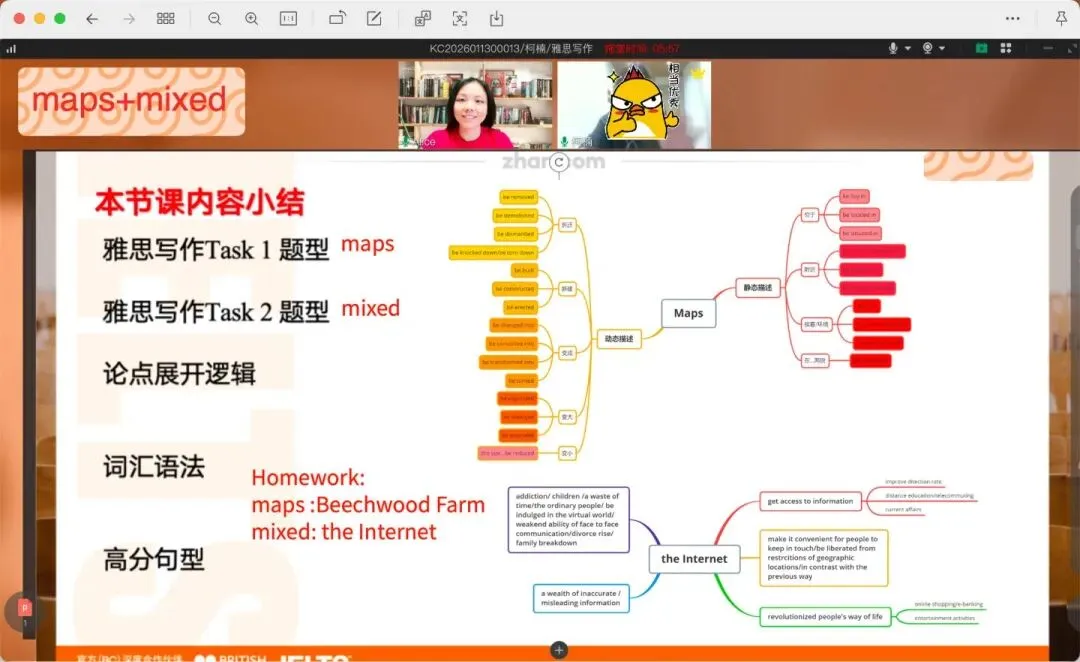



线下课:清明假期大家居然不怎么出门,于是当天孩子们还是正常上课的。
校内英语考试1-3单元,给每位孩子做了考后解析,共同的薄弱点是时态问题,下节课会巩固。
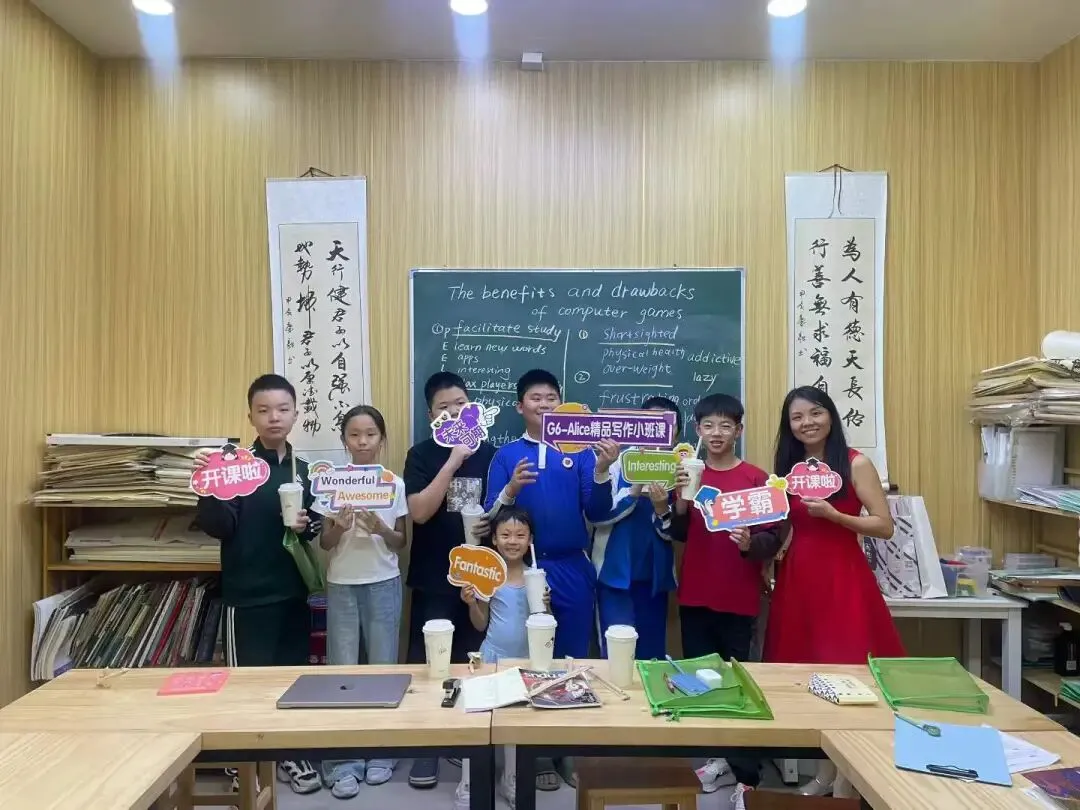
Steven 今天考完PET, 他盼望着和大家一起去港中文的悬崖餐厅吃饭。
5-6岁孩子上节课的Show Time表现很棒,这个每节课都会有,英语就是听说唱演,不是吗?
新增加了“独立阅读计划”,准备从牛津树1开始培养阅读兴趣。


学业:港中文的课程逐渐进入尾声,The Gothic周四结课,给我喜爱的Li Ou教授定了一束花,从深圳一路带到香港(不能是兰花,不要带土)。Professor很感动,对我说了好几遍Thank you Alice.
我还手写了一张卡片,是一首短短的英文诗歌。教授给了我一个大大的拥抱,我说: I love you.


下个月计划组织港中文的同学们去麦理浩径徒步,共同期待一下吧。
有同学已经定了去同济大学读博,澳门大学读博,是真正热爱文学的女孩子。有同学签了深高级高中,以后可以经常约啦。
还有同学想留香港找工作,希望大家都能有好的前程。

今天哥哥去参加青少年模拟联合国,妹妹去参加希望之星复赛。每一次体验都是进步,成长比成绩更重要。