Section II Reading Comprehension
Part A
Directions: Read the following four texts. Answer the questions below each text by choosing A, B, C or D. Mark your answers on the ANSWER SHEET.
Text 4
A decision made 70 years ago to reforest vast swathes of Japan with just two kinds of trees has come back to haunt the country. Every spring, people of all ages can be seen wearing masks on the streets of cities across Japan. The reason: hay fever, driven by pollen. Hay fever has now become a national crisis in Japan, with an estimated 43% of the population experiencing medium to severe symptoms.
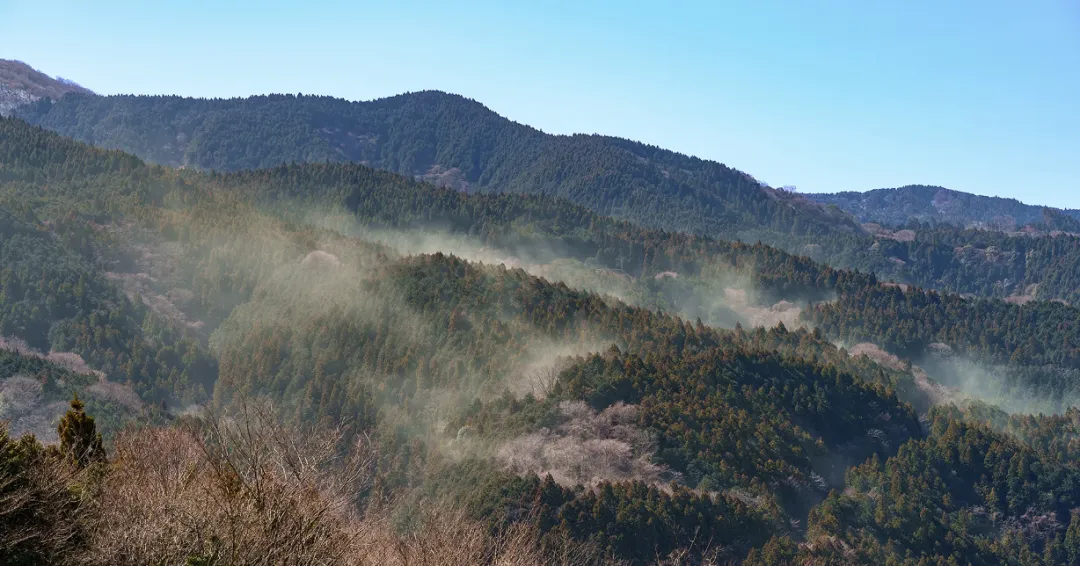
Why does Japan have such bad allergies? The reason lies in decisions made more than 70 years ago. During World War II, energy shortages led Japan to turn to its forests for fuel, resulting in widespread deforestation. "Large-scale afforestation was carried out by public works, funded by tax revenues, to prevent soil erosion," says Noriko Sato, a professor at Kyushu University. Aiming for rapid reforestation, the government chose to plant only two native, fast-growing evergreen species: the Japanese cedar (sugi) and the Japanese cypress (hinoki). Today, these plantation forests still cover around 10 million hectares—a fifth of Japan's entire land area.
The problem is that sugi and hinoki trees produce large amounts of lightweight pollen, which easily drifts into cities. The issue has worsened because these trees release even more pollen after maturing at 30 years of age—which is now the case for nearly all of them. In 2023, Japan declared allergies a national social problem and set an ambitious plan to reduce pollen by 50% in 30 years. As a first step, it aims to reduce the forest areas covered with high-pollen sugi trees by 20% by 2033.
However, swapping out forests covering over 2% of Japan in 10 years is a massive endeavor. Simply cutting these trees down won't be enough; they need to be replaced with new forests to avoid soil erosion or accidentally undercutting Japan's own climate targets. Furthermore, walking through these monoculture plantations is eerie—there are few birds or insects. This contrasts starkly with Japan's natural forests, which teem with biodiversity.
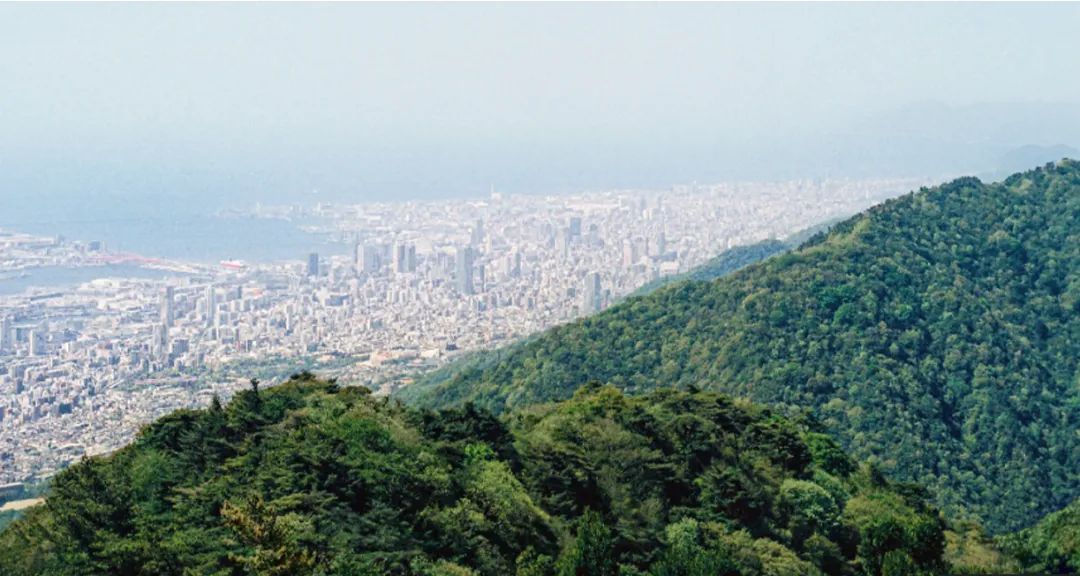
With monoculture plantations causing problems, Japan is trying to replace them with broadleaf forests. In 2020, Kobe began an effort to turn plantation areas back into natural broadleaf forests in a 15-year cycle. Every year, an area is selectively clear-cut, removing sugi and hinoki. Broadleaf trees are left, and with more sun coming through, they grow back, along with new seedlings. Local government workers report that wildlife monitoring shows animals and rare insects returning quickly.
While similar projects are starting elsewhere, these efforts may not be large enough to significantly reduce pollen. Since the goal was announced, Japan has designated areas for focused logging and replanting. Yet, not all of this is being turned into broadleaf forests; some is replanted with low-pollen sugi. Even if the 20% reduction goal is achieved, 80% of the plantation forests will remain. Thus, Japan is also tackling hay fever through improved pollen forecasting and medical treatments, such as long-acting under-the-tongue immunotherapy.
When the forests were planted in the 1950s, they weren't meant to stand forever. It was assumed they would be harvested for wood. But as Japan's economy boomed, it became cheaper to import wood. In 2011, Japan set a goal to rely less on imports and promote domestic wood use. Junichi Mishiba, a forest project coordinator, worries that more incentives to cut down trees lead to bad environmental practices. "There is an increase in clear-cut areas resulting from policies promoting harvesting," he says.
To support replacement efforts, the government began collecting a new forest environment tax. Yet, some experts argue the support is insufficient, as municipalities often lack the expertise to design and monitor forest changes. Mishiba fears that by focusing primarily on seasonal allergies rather than wider ecological indicators, Japan is once again prioritizing short-term solutions. Japan's vast forests hold huge amounts of carbon, and sugi plantations are responsible for almost half the carbon sequestered by its forests. Research indicates that since aging trees absorb less carbon, thinning old forests and planting younger, more diverse species will be essential to keeping Japan's forests an effective carbon sink.
36. According to Paragraph 2, the proliferation of hay fever in Japan is fundamentally rooted in ________.
[A] the unprecedented atmospheric pollution following industrial expansion
[B] a deliberate, state-sponsored ecological intervention initiated decades ago
[C] the spontaneous invasion of high-pollen foreign plant species
[D] an inevitable evolutionary response of native evergreens to climate change
37. The Japanese government's initiative to tackle the pollen crisis is complicated by the necessity to ________.
[A] completely eradicate the established monoculture ecosystems within a decade
[B] prioritize immediate commercial logging over long-term environmental goals
[C] simultaneously safeguard against land degradation and maintain carbon sequestration
[D] continuously subsidize the development of advanced anti-allergy medications
38. What can be inferred about the Kobe reforestation project from Paragraph 5?
[A] It has successfully transformed all of Kobe's plantations into broadleaf forests.
[B] It relies heavily on imported seedlings to restore the local ecosystem.
[C] It demonstrates that targeted ecological restoration can yield swift biological dividends.
[D] It proves that clear-cutting is the only viable method to eliminate invasive species.
39. Junichi Mishiba's primary concern regarding the current forestry policies is that they might ________.
[A] fail to meet the domestic demand for construction timber
[B] result in environmentally detrimental consequences driven by harvesting incentives
[C] inadvertently decrease the overall amount of carbon sequestered by aging trees
[D] impose an unbearable financial burden on local municipalities through new taxes
40. Which of the following would be the most appropriate title for the text?
[A] The Unforeseen Legacy: How Post-War Reforestation Triggered a Health Crisis
[B] Battling Hay Fever: Medical Advancements in Modern Japan
[C] From Monoculture to Diversity: The Economic Cost of Forest Management
[D] The Sugi Plantations: Japan's Ultimate Weapon Against Global Warming
附注:根据历年考研英语真题阅读题源外刊等,摘选最新文章,模拟仿真出题。
参考答案见以下。
Quick look: BCCBA
36.【正确答案】B
【解析】题型:因果推断题
定位: 第二段第二、三句“Why does Japan have such bad allergies? The reason lies in decisions made more than 70 years ago... ‘Large-scale afforestation was carried out by public works, funded by tax revenues...’ Aiming for rapid reforestation, the government chose to plant only two native, fast-growing evergreen species...”
分析: 原文指出,日本花粉症泛滥的根源在于70多年前政府的决策。为了快速恢复森林,政府动用公共资金(public works, funded by tax revenues)大规模种植了仅有的两种常绿树种(sugi 和 hinoki)。这种单一的植树造林导致了今天的花粉危机。选项 B“几十年前发起的一项深思熟虑的、由国家赞助的生态干预(a deliberate, state-sponsored ecological intervention initiated decades ago)”是对这段历史背景和政府行为的精准、高度概括。
干扰项:[A] 工业扩张后前所未有的大气污染(张冠李戴,原文明确说“The reason has little to do with poor health or pollution”);[C] 高花粉外来植物物种的自发入侵(概念偷换,原文指出种植的是“本地物种/native species”且是政府主动种植而非“自发入侵”);[D] 本地常绿植物对气候变化的不可避免的进化反应(无中生有,花粉症激增是因为这些树木成熟了以及种植面积太大,而非进化的反应)。
37.【正确答案】C
【解析】题型:事实细节题
定位: 第四段第二句“Simply cutting these trees down won't be enough; they need to be replaced with new forests to avoid soil erosion or accidentally undercutting Japan's own climate targets.”
分析: 原文指出,仅仅砍伐这些高花粉树木是不够的,必须用新森林来替代它们,目的有两个:一是避免水土流失(avoid soil erosion),二是避免意外削弱日本自身的气候目标(undercutting climate targets,即最后一段提到的碳汇/吸收碳的功能)。选项 C“同时防范土地退化并维持碳封存(simultaneously safeguard against land degradation and maintain carbon sequestration)”完美对应了这两个必须兼顾的挑战。
干扰项:[A] 在十年内彻底根除既定的单一栽培生态系统(程度篡改,第三段表明目标是十年内减少“20%”,并非“彻底根除/completely eradicate”);[B] 将眼前的商业伐木置于长期环境目标之上(正反颠倒,这是Mishiba在第七、八段所担忧的“错误做法”,而非政府解决危机的初衷);[D] 持续补贴高级抗过敏药物的开发(偷换概念,虽然第六段提到了医疗,但题目问的是政府的“减粉/森林倡议(initiative)”因何而复杂,这主要与生态和土地因素有关)。
38.【正确答案】C
【解析】题型:例证推断题
定位: 第五段最后一句“Local government workers report that wildlife monitoring shows animals and rare insects returning quickly.”
分析: 神户的再造林项目通过选择性砍伐和保留阔叶树,让更多的阳光照入。结果是,当地政府工作人员报告说,野生动物监测显示动物和稀有昆虫“迅速回归(returning quickly)”。这说明定向的生态干预能够很快收到成效。选项 C“它证明了有针对性的生态恢复可以产生迅速的生物学红利(targeted ecological restoration can yield swift biological dividends)”是对这一现象的高度逻辑提炼。
干扰项:[A] 它成功地将神户所有的种植园转化为阔叶林(程度篡改,原文说是“一个15年的周期(15-year cycle)”并且每年选择性砍伐,并未说“全部(all)”已经转化完成);[B] 它严重依赖进口树苗来恢复当地生态系统(无中生有,原文未提及树苗是进口的);[D] 它证明了皆伐是消除入侵物种的唯一可行方法(修饰错位,“皆伐/clear-cutting”在第七段被Mishiba视为一种“不良环境行为/bad environmental practices”,且“唯一/only”过于绝对)。
39.【正确答案】B
【解析】题型:观点态度题
定位: 第七段最后两句“Junichi Mishiba, a forest project coordinator, worries that more incentives to cut down trees lead to bad environmental practices. ‘There is an increase in clear-cut areas resulting from policies promoting harvesting,’ he says.” 以及第八段第二句“Mishiba fears that by focusing primarily on seasonal allergies rather than wider ecological indicators, Japan is once again prioritizing short-term solutions.”
分析: Mishiba 的核心担忧是,政府为了对付花粉症或促进国内木材使用,提供了更多砍树的动机/激励(incentives),这导致了皆伐面积的增加,从而带来“不良的环境行为(bad environmental practices)”。他认为这是短视的。选项 B“在采伐激励的驱动下导致对环境有害的后果(result in environmentally detrimental consequences driven by harvesting incentives)”准确概括了他的忧虑。
干扰项:[A] 未能满足国内对建筑木材的需求(事实相反,第七段指出由于政策鼓励,日本国内木材使用量正在增长,Mishiba担忧的是“砍得太多/太随意”,而不是“不够用”);[C] 无意中减少了老化树木封存的碳总量(张冠李戴,最后一段明确指出老树吸收的碳“更少/absorb less carbon”,所以需要砍掉老树种新树来保持碳汇,这并非Mishiba反对的点,而是支持砍树的一个理由);[D] 通过新税收给地方市政当局带来难以承受的财政负担(拼凑细节,第八段提到了新税收和地方缺乏专业知识,但并未说税收成为了“地方的财政负担”)。
40.【正确答案】A
【解析】题型:主旨大意题
定位: 全文逻辑结构。
分析: 文章开篇点题:70年前为了战后快速重新造林而决定大量种植两种树木,如今“反咬了日本一口(come back to haunt the country)”,引发了全国性的花粉症健康危机。随后的段落详细分析了这一历史遗留问题产生的原因、现状,以及目前为了纠正这一错误(砍树、恢复阔叶林多样性)所面临的巨大生态和政策挑战。全文的核心在于“过去的政策如何导致了今天的困境”。选项 A“未曾预见的遗产:战后重新造林如何引发健康危机(The Unforeseen Legacy: How Post-War Reforestation Triggered a Health Crisis)”最完美、最深刻地概括了全文的主旨和时间跨度。
干扰项:[B] 对抗花粉症:现代日本的医学进步(以偏概全,医疗只是第六段略带提及的应对手段之一,文章的核心是“森林与生态”);[C] 从单一栽培到多样性:森林管理的经济成本(偏离重心,文章确实提到了成本和税收,但这只是解决问题的过程,文章的起点和最大的痛点是“健康危机”);[D] 杉树种植园:日本应对全球变暖的终极武器(本末倒置,杉树种植园目前被视为引发过敏的“罪魁祸首”,尽管它们有碳汇作用,但绝非作者试图赞美的“终极武器”)。
【词汇注释】
haunt: verb (CAUSE PROBLEMS) to cause repeated suffering or anxiety 困扰;不断带来麻烦
afforestation: noun (ENVIRONMENT) the action of planting trees on an area of land in order to make a forest 造林
monoculture: noun (FARMING) the practice of growing only one crop or keeping only one type of animal on an area of farmland 单一栽培;单一种植
eerie: adjective (STRANGE) strange in a frightening and mysterious way 怪异的;令人毛骨悚然的
teem with: phrasal verb. to contain large numbers of animals or people 充满;到处都是(文中指天然林中充满生物多样性)
clear-cut: verb (ENVIRONMENT) to cut down all the trees in an area (森林的)皆伐;全伐
sequester: verb (ENVIRONMENT) to absorb carbon dioxide from the atmosphere and store it 封存(碳)【参考译文】
70年前,日本决定用仅仅两种树木对大片土地进行重新造林,这个决定如今反咬了该国一口。每年春天,在日本各个城市的街道上都能看到各个年龄段的人戴着口罩。原因在于:由花粉驱动的花粉症。花粉症如今已成为日本的一场全国性危机,据估计有43%的人口经历着中度到重度的症状。
为什么日本的过敏症如此严重?原因在于70多年前做出的决定。二战期间,能源短缺迫使日本转向其森林获取燃料,导致了广泛的森林砍伐。九州大学教授佐藤典子表示:“大规模的植树造林是通过税收资助的公共工程进行的,以防止水土流失。”为了实现快速的重新造林,政府选择只种植两种本土的、快速生长的常绿树种:日本柳杉(sugi)和日本扁柏(hinoki)。今天,这些人工林仍然覆盖着约1000万公顷的土地——占日本陆地总面积的五分之一。
问题在于,柳杉和扁柏会产生大量轻质花粉,这些花粉很容易飘入城市。更糟糕的是,这些树在树龄达到30岁成熟后会释放出更多的花粉——而如今几乎所有的这些树都已达到这个树龄。2023年,日本将过敏症宣布为国家级社会问题,并制定了一项雄心勃勃的计划:在30年内将花粉减少50%。作为第一步,它的目标是到2033年将高花粉柳杉覆盖的森林面积减少20%。
然而,在10年内替换掉覆盖日本2%以上面积的森林是一项艰巨的任务。仅仅砍掉这些树是不够的;必须用新的森林来替代它们,以避免水土流失或意外削弱日本自身的气候目标。此外,走在这些单一树种的人工林里会感觉令人毛骨悚然——那里几乎没有鸟类或昆虫。这与充满生物多样性的日本天然林形成了鲜明的对比。
由于单一树种人工林造成了诸多问题,日本正试图用阔叶林来替代它们。2020年,神户开始了一项工作,计划在一个15年的周期内将人工林恢复为天然阔叶林。每年,他们会有选择性地在一片区域进行皆伐,移除柳杉和扁柏。阔叶树被保留下来,随着更多阳光照射到地面,它们重新生长,伴随而来的还有新的幼苗。当地政府工作人员报告说,野生动物监测显示动物和稀有昆虫正在迅速回归。
虽然类似的项目正在其他地方启动,但这些努力的规模可能还不足以显著减少花粉。自宣布该目标以来,日本已指定了一些区域进行重点砍伐和重新种植。然而,并非所有这些区域都被转化为阔叶林;有些被重新种植了低花粉的柳杉。即使实现了减少20%的目标,仍有80%的人工林将保留下来。因此,日本也在通过改进花粉预测和医疗手段(如长效舌下免疫疗法)来应对花粉症。
在20世纪50年代种植这些森林时,它们并没有被打算永久保留。当时假设它们会被砍伐用于获取木材。但随着日本经济的繁荣,进口木材变得更便宜了。2011年,日本设定了一个目标,以减少对进口的依赖并促进国内木材的使用。森林项目协调员三柴淳一(Junichi Mishiba)担心,更多鼓励砍树的措施会导致不良的生态实践。他说:“鼓励采伐的政策导致了皆伐面积的增加。”
为了支持替代工作,政府开始征收一项新的森林环境税。然而,一些专家认为这种支持是不够的,因为市政当局往往缺乏设计和监测森林变化的专业知识。三柴担心,日本主要关注季节性过敏而不是更广泛的生态指标,这表明它再次将短期解决方案置于首位。日本广袤的森林中储存着大量的碳,而柳杉人工林负责封存该国森林每年吸收碳的近一半。研究表明,由于老化的树木吸收的碳较少,因此间伐原始森林并种植更年轻、更多样化的树种,对于保持日本森林作为有效的碳汇至关重要。
附注:
本篇 Flesch–Kincaid 可读性指标(估算英文文章纯语言阅读难度,数值越大代表难度越大,十分制)评分为7.8。参考:2026 英语(一)真题四篇评分分别为 7.5、7.5、8.5、8.0,英语(二)5.0、6.0、6.0、5.5;2025 英语(一) 7.0、8.0、7.5、9.0,英语(二)5.5、6.5、6.0、7.0。在话题熟悉度,逻辑复杂度、段落结构线索丰富度方面综合指标(数值越大代表难度越大,十分制)评分为8.6。参考:2026 英语(一)真题四篇评分分别为 7.0、7.5、9.0、9.5,英语(二)5.0,5.5、6.0、5.5;2025 英语(一) 6.5、8.5、7.5、9.5,英语(二)5.0、6.5、6.0、6.5。